View: 127|Reply: 0

Electromagnet Troubleshooting Checklist

[Copy Link]

9

Threads

2

Replies

150

Credits

Administrator

Credits
150
Posted on 2026-2-4 20:06:13 |江苏| Show All Floors |Reading Mode
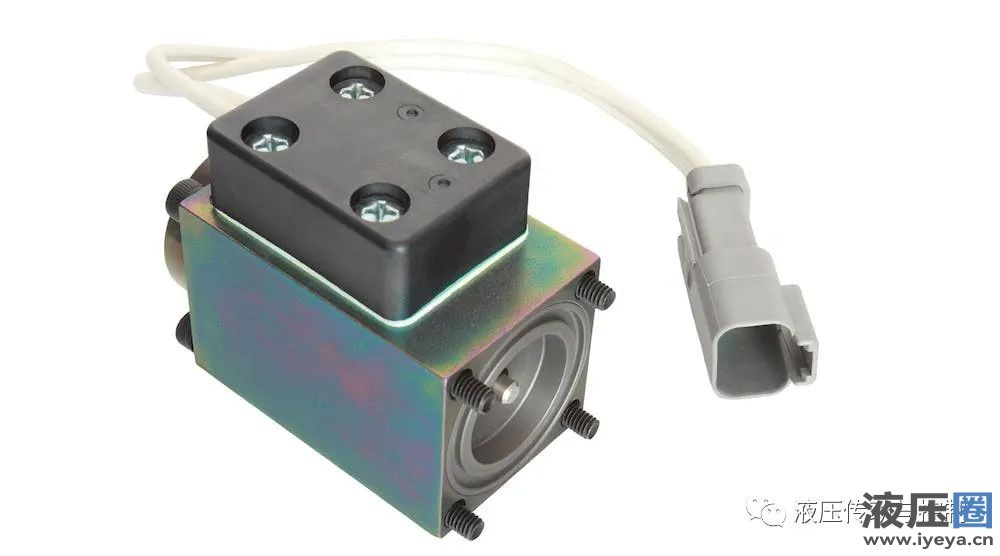
Learning to identify the common causes of electromagnet malfunctions and prevent such issues will help reduce unplanned equipment downtime.Electromagnets are critical components that convert electrical energy into mechanical energy. Knowing how to recognize and resolve potential problems with electromagnets ensures proper repairs and prevents more serious machinery failures.This electromagnet troubleshooting checklist outlines key malfunctions that may occur in electromagnets and the corresponding solutions.
Electromagnet Troubleshooting Checklist

Problem 1: Overheating

When an electromagnet is first energized, its coil receives a high surge current pulse that diminishes as the plunger closes. If the plunger fails to close, the high surge current will persist, which may cause the coil to overheat and burn out. This is the most common cause of electromagnet failure and is easily detectable.A burnt coil will cause the nylon bobbin around which the coil is wound to melt and seep into the air gap beneath the plunger. If melted bobbin material is found, check if the plunger is mechanically jammed in the open position. For dual electromagnets, verify that both electromagnets are not energized simultaneously. (The insulation on the magnet wire may also burn out in this case.)Standard coils are rated for 105°C (221°F), so they can safely reach and maintain a temperature slightly higher than boiling water. An electromagnet that is too hot to touch, therefore, may not be overheating.A drop in line voltage will reduce the holding force of the electromagnet until it can no longer overcome the load resistance, preventing the plunger from closing. Check the line voltage over a 24-hour period if this issue is suspected.Excessively high ambient temperatures will impair the coil's ability to dissipate heat via radiation. An overheated coil will have increased electrical resistance, leading to reduced current and force output; the electromagnet will then fail to close, causing the coil to burn out again.Check the operating frequency of the electromagnet. If the electromagnet cycles too rapidly, heat will build up faster than it can be dissipated. The electromagnet will become too weak to close, leaving it exposed to constant high surge current and subsequent burnout.

Problem 2: Excessive Voltage

In rare cases, electromagnet coils burn out due to overvoltage. While the increased voltage provides extra force for the plunger to close easily, it also causes an excessive holding current, which makes the coil gradually overheat and burn through the insulation on the magnet wire. In such cases, no melted bobbin material will be present.

Problem 3: Short Circuit

Another potential cause of electromagnet burnout is a short circuit. Water-based coolants typically contain fine metal particles, and accidental splashing or submersion of the coil lead connections can result in a short circuit.

Problem 4: Physical Damage

Finally, an electromagnet may literally hammer itself to pieces—evidenced by mechanical damage and cracking. Such damage is often caused by excessive force, which can stem from overvoltage or a reduced load on the electromagnet.

This post contains more resources

You need to log in to download or view, no account? 立即注册

×
You need to log in to reply Login | 立即注册

Forum Credits Rules

For matters related to infringement, reports, complaints and suggestions, please send an email to: iyeya@qq.com

Powered by Discuz! X5.0 Licensed © 2001-2026 Discuz! Team.

在本版发帖返回顶部